
Where to Place a Radon Test Kit: EPA Guidelines for Accurate Results
By Jake Lusby · Air Sense Environmental
To ensure accurate results, a radon test kit should be placed on the lowest lived-in level of your home following specific EPA guidelines. This strategic placement is crucial because radon, a colorless and odorless gas, typically enters through the foundation and concentrates in lower areas. The U.S. Environmental Protection Agency (EPA) sets clear protocols to capture a representative sample of your home’s radon levels.
For homeowners in St. Louis, MO, and surrounding areas like St. Charles County, understanding these guidelines is key to obtaining reliable data. This guide details the precise floor, room, and specific spot for your test kit to ensure your results are valid for assessing your home’s radon risk.
What is the lowest lived-in level for radon testing?
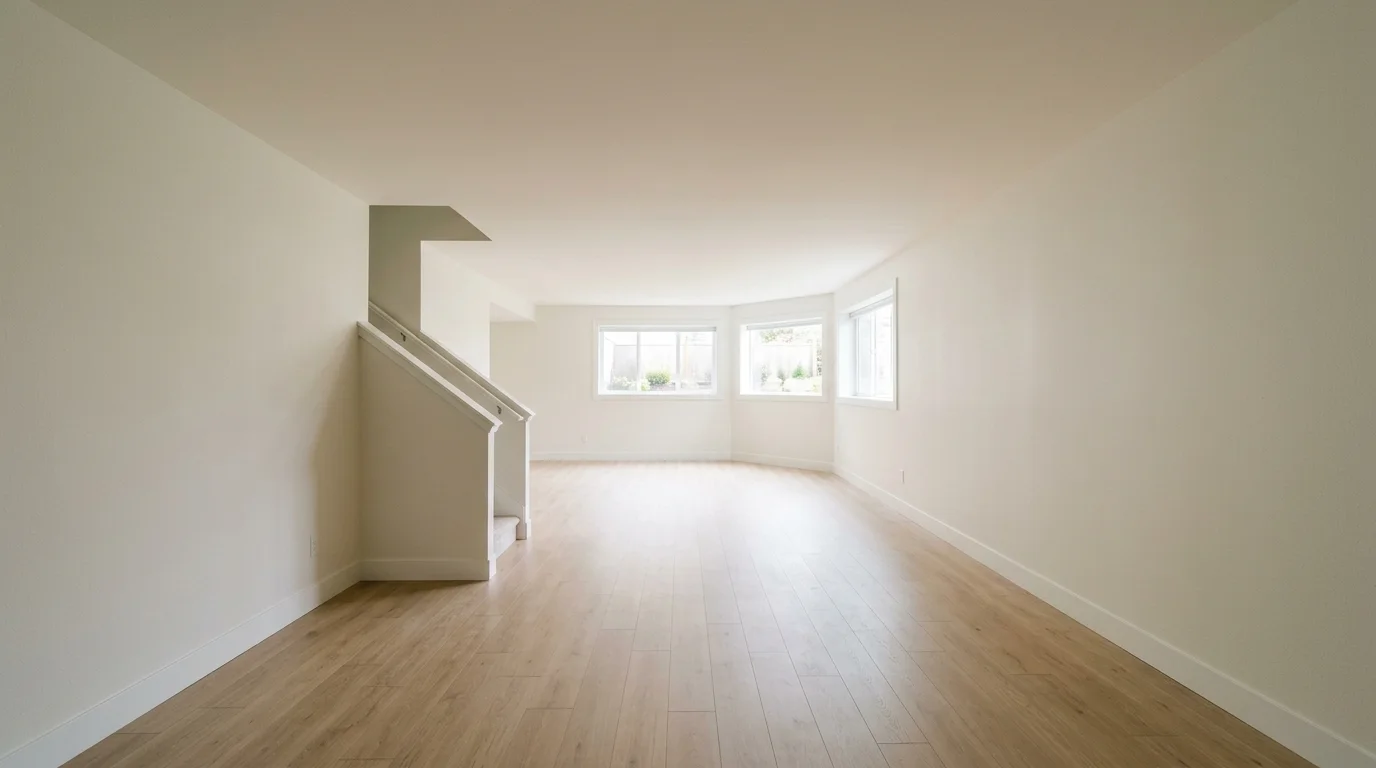
For routine homeowner testing, the EPA Citizen’s Guide says to use the lowest lived-in level, such as a frequently used basement. For a home sale, the EPA uses the lowest level that could be used regularly, finished or unfinished, based on the buyer’s intended use. These are different contexts; ask the tester which applies before choosing a room.
Basement Testing
If your basement is frequently used as a living area, playroom, or bedroom, it qualifies as the lowest lived-in level. Testing here captures the highest potential exposure point.
Slab-on-Grade Homes
For homes without basements, the first floor serves as the lowest lived-in level. Accurate testing here helps determine if your home’s radon concentration reaches or exceeds the EPA action level of 4.0 pCi/L (though the EPA notes that lower concentrations still carry risk), which is a key step in effective radon testing in St. Louis.
Which room is best for a radon test kit?
The most effective placement for a radon test kit is within a regularly used living area on the lowest lived-in level of your home, such as a family room, den, or bedroom. This choice ensures the test accurately reflects radon exposure where occupants spend significant time.
Ideal Rooms for Testing
Select spaces where your family spends the most time. Bedrooms and family rooms on the lowest lived-in level provide the most accurate representation of your daily exposure.
Rooms to Avoid
Conversely, certain locations must be avoided to prevent inaccurate readings. The U.S. Environmental Protection Agency (EPA) advises against placing test kits in several specific areas:
- Kitchens
- Bathrooms
- Laundry rooms
- Closets and crawl spaces
These areas often have high humidity, drafts, or rapid air movement that can dilute radon or interfere with the device. Proper room selection is crucial for a valid measurement, especially if levels approach the EPA action level of 4.0 pCi/L, keeping in mind that lower concentrations still carry risk.
How far from walls and floors should a radon test kit be placed?
A radon test kit should be placed at least 20 inches above the floor and away from exterior walls, drafts, high heat, and high humidity. These specific placement rules are crucial for accurate results, aligning with EPA guidelines for radon testing to prevent environmental factors from diluting or skewing indoor radon levels.
Height Requirements
When placing the detector, ensure it is at least 20 inches above the floor. This prevents ground-level drafts from interfering with the device.
Distance from Walls and Drafts
Ensure you meet these spacing requirements: – Away from exterior walls and drafts – Away from high heat sources and high humidity
These conditions can interfere with a reliable reading and skew results away from the true concentration, which is evaluated against the EPA action level of 4.0 pCi/L, though lower concentrations still carry risk.
Why are closed-house conditions required for a radon test?
Closed-house conditions are part of short-term radon testing protocols. They help limit the effect of temporary ventilation changes; they do not turn a short-term reading into a year-round average. Follow the instructions for the selected test rather than applying this rule to every testing method.
Window and Door Rules
To maintain proper closed-house conditions, you must: – Keep all windows closed – Keep outside doors closed except for normal entry and exit
HVAC System Operation
You must also: – Operate heating and cooling systems normally
For a planned 48-hour short-term test, the EPA recommends at least 12 hours of closed-house conditions beforehand, maintained during testing with normal entry and exit allowed. Missouri publishes short-term kit guidance as well. Follow the complete device and tester instructions; do not assume a long-term measurement requires months of closed-house conditions.
What happens if a radon test kit is placed incorrectly?
Incorrect placement of a radon test kit can significantly compromise the accuracy of your results and lead to misleading readings. The U.S. Environmental Protection Agency (EPA) states that improper testing procedures, including device interference or failure to maintain closed-house conditions, can invalidate test results and necessitate retesting.
False Low Readings
Placing a device too close to a draft or an exterior wall can dilute the radon concentration, resulting in a false low reading that masks a true hazard.
False High Readings
Conversely, placing a kit in a high-humidity area can skew the device, resulting in a false high reading. These inaccuracies are critical when results are near the EPA action level of 4.0 pCi/L, as a small error can misrepresent your home’s risk, especially since lower concentrations still carry risk. Accurate data is paramount for measuring your home’s radon concentration, making precise placement essential for reliable results.
How long should a short-term radon test kit stay in place?
Short-term radon test kits typically remain in your home for a minimum of 48 hours, though some devices may require up to 90 days. For tests lasting less than four days, it is crucial to maintain closed-house conditions for at least 12 hours before starting and throughout the test period.
Minimum 48-Hour Requirement
The absolute minimum duration for a short-term test is 48 hours. This allows the device enough time to capture a representative sample of the indoor air.
Tests Lasting Up to 90 Days
Always follow the specific instructions provided with your kit to ensure accurate results, especially since radon levels can fluctuate daily. An accurate duration ensures the reading properly reflects whether the home meets or exceeds the EPA action level of 4.0 pCi/L, though lower concentrations still carry risk.
What should I do if my radon test kit gets disturbed?
If your radon test kit is disturbed, such as being moved or exposed to open windows, you should conduct a new test to ensure reliability. The EPA’s Home Buyer’s and Seller’s Guide to Radon emphasizes that interference can lead to inaccurate readings and invalidate the test results.
Identifying Disturbance
Disturbance includes knocking the device over, moving it to a different room, or violating closed-house conditions by leaving windows open.
Retesting Procedures
It is crucial to maintain closed-house conditions and ensure the device remains undisturbed for the entire testing period. If you suspect interference has compromised the reading, consulting a qualified professional for a retest is the best way to accurately determine if your home exceeds the EPA action level of 4.0 pCi/L, keeping in mind that lower concentrations still carry risk.
Can I test for radon in a crawl space?
No, you should not test for radon directly within a crawl space. EPA guidelines recommend placing test kits in the lowest regularly lived-in level of your home, such as a basement or first-floor living area.
Why Crawl Spaces Skew Results
Crawl spaces are typically excluded due to high humidity, drafts, and lack of regular occupancy, which can skew results and provide an inaccurate picture of human exposure.
Where to Test Instead
An accurate test should reflect exposure in areas where people spend significant time, especially to determine if levels approach the EPA action level of 4.0 pCi/L, though lower concentrations still carry risk. Test the room directly above the crawl space if it is the lowest lived-in level.
Understanding where to place your radon test kit is the first step toward accurately measuring your home’s radon concentration. If your test results indicate elevated radon levels, or if you prefer professional testing and mitigation, Air Sense Environmental is here to help. Schedule a consultation today to get precise data on your home’s indoor air.
Prepared with AI assistance using the linked primary sources. For property-specific advice, contact Air Sense Environmental.